
Book quiz
Difficult Conversations: How to Discuss What Matters Most Quiz
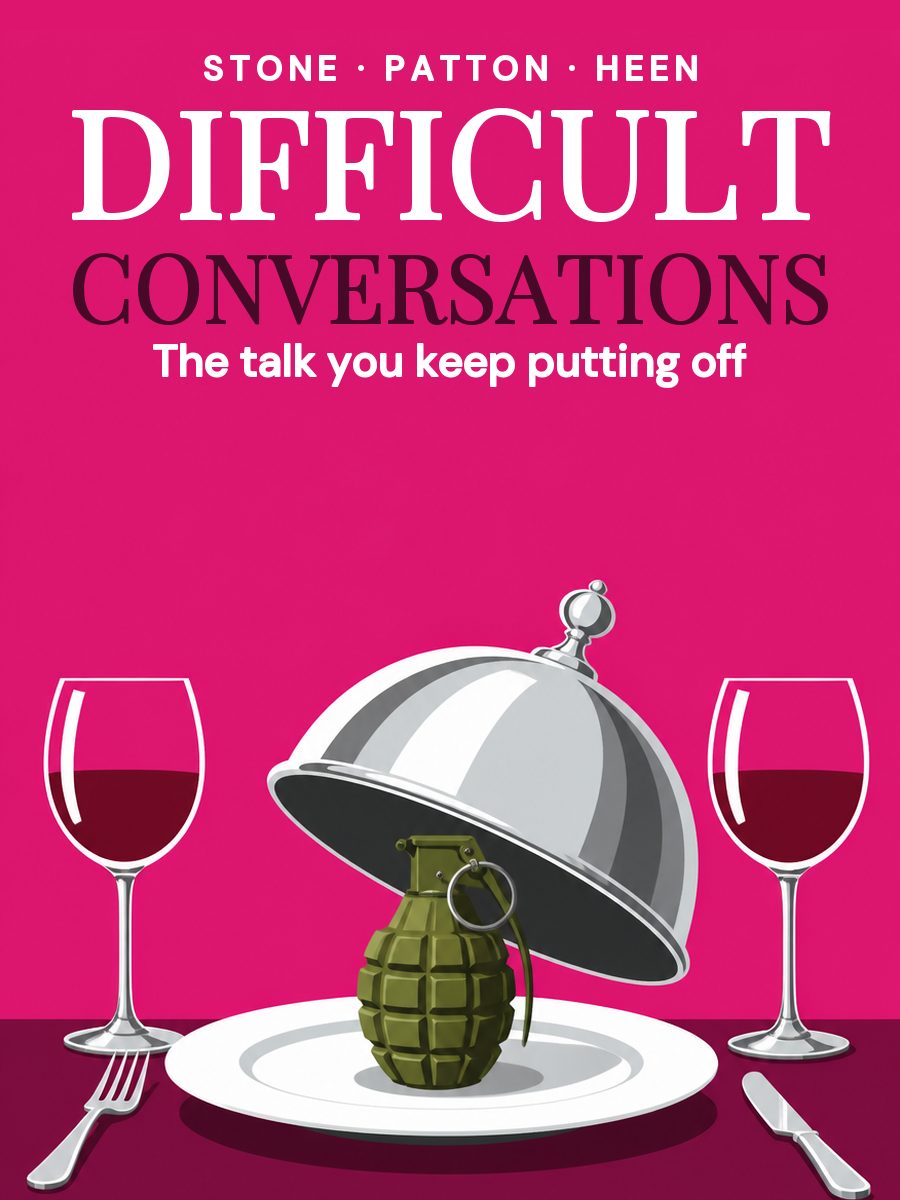 Difficult Conversations: How to Discuss What Matters MostDouglas Stone, Bruce Patton, Sheila Heen
A friend helps out with an urgent job, but one chart in it turns out badly. How can a short talk about a single chart sour a friendship for months? The authors, from the Harvard Negotiation Project, show that every difficult conversation is really three conversations at once, and suggest how to hold them more honestly.
Question 1 of 5
A couple are arguing about unwashed dishes. According to the authors' model, what's going on in this argument?
Show the answer
Right answer: Three conversations: what happened, feelings and identity
On the surface it's about plates, but inside one person thinks "I'm not appreciated" and the other "I'm the bad one again". Those are the layers of feelings and identity.
Question 2 of 5
You and a colleague are arguing about who's right. What question do the authors suggest asking yourself?
Show the answer
Right answer: What does the other person know that I don't?
Each person sees part of the situation, and a "who's right" argument drags on until the parts are put together. It helps more to get curious about the other person's picture.
Question 3 of 5
A friend didn't answer an important message, and it hurts. What trap does the book describe?
Show the answer
Right answer: Deriving her intention from your feelings: she doesn't care
We often think: it hurts, so they meant to hurt me. But another person's intention is hidden in their head, and we can be wrong about it.
Question 4 of 5
How is "contribution" different from blame, according to the authors?
Show the answer
Right answer: Contribution describes what each person did, without a verdict
Blame looks back and passes a verdict, which makes it hard to admit. Contribution shows how both people got here and what could change next time.
Question 5 of 5
How do the authors suggest starting a difficult conversation?
Show the answer
Right answer: With the third story, the way a calm observer would describe it
The third story names the difference between two views, not who's to blame, and invites the other person to work it out together.
Want all of the book's key ideas? Read or listen to its retelling in Livria.