
Book quiz
Driven to Distraction: Recognizing and Coping with Attention Deficit Disorder from Childhood Through Adulthood Quiz
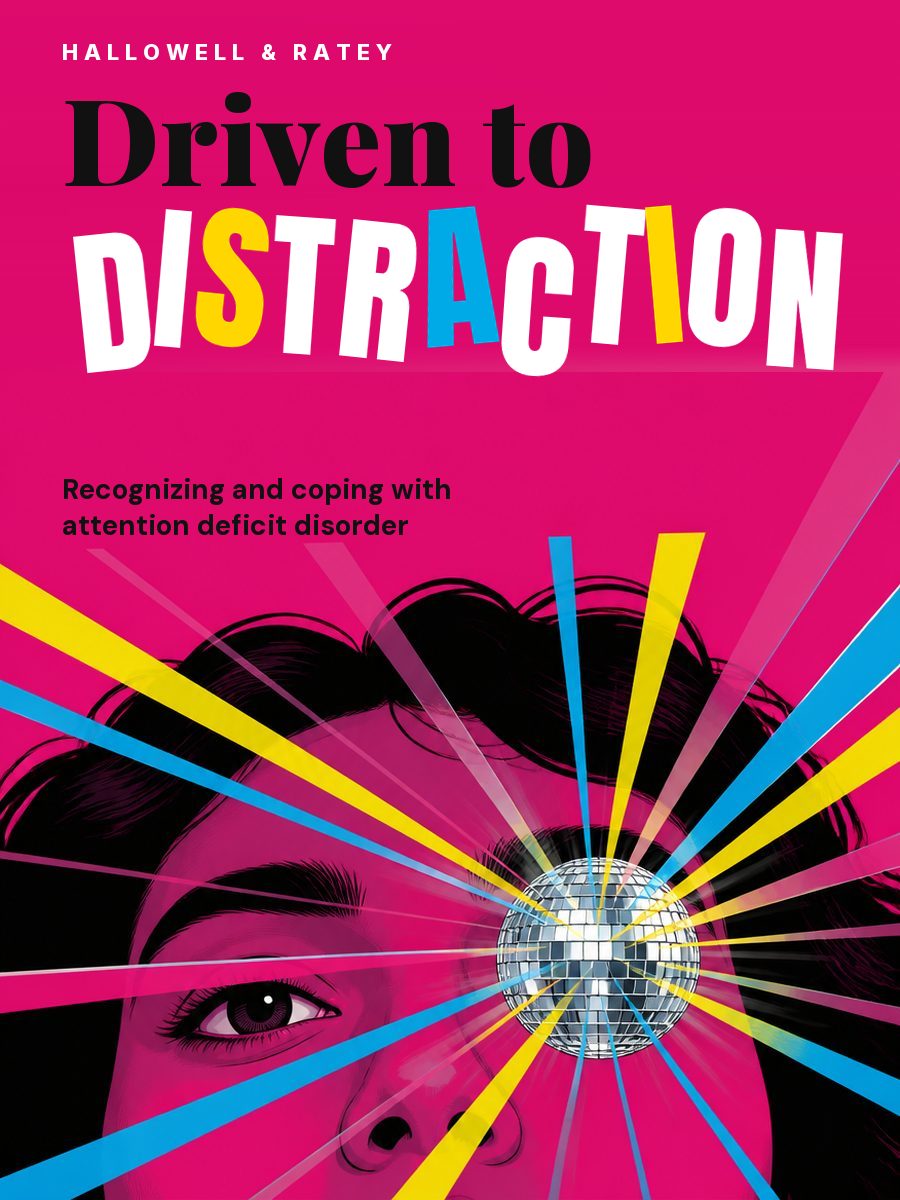 Driven to Distraction: Recognizing and Coping with Attention Deficit Disorder from Childhood Through AdulthoodEdward M. Hallowell, John J. Ratey
A woman notices a cough drop on her dashboard all day and keeps forgetting to throw it away. Two psychiatrists who themselves live with attention deficit disorder explain why this is not about laziness, what ADD looks like in adults and quiet daydreamers, and what may help. The book offers understanding, not a…
Question 1 of 5
A two-line email has been sitting in your inbox for a week, even though you want to reply. What do the authors see behind this?
Show the answer
Right answer: A gap between intention and action
According to the book, a person with ADD can understand what matters and still not follow through. From the outside, it's easy to mistake this for laziness.
Question 2 of 5
For the third time a student's report card says "inattentive". How do the authors judge the call to "try harder"?
Show the answer
Right answer: Like telling a nearsighted person to squint harder
The authors argue with the moral model, in which attention depends on willpower. Effort helps, but a demand to try harder alone misses the point.
Question 3 of 5
A teenager can't finish a paragraph but masters a complex game in one evening. How does the book explain this?
Show the answer
Right answer: His attention is poorly regulated rather than absent
The authors describe ADD as the ability to focus on everything at once. A gripping activity can absorb a person completely: that's hyperfocus.
Question 4 of 5
A quiet, polite girl often can't retell the lesson. Why, according to the book, is it easy to miss ADD in her?
Show the answer
Right answer: It can be dreamy, without hyperactivity
The chapter "Parts of the Elephant": ADD shows up both as hyperactivity and as dreaminess. A quiet child doesn't fit the picture of a restless troublemaker.
Question 5 of 5
You recognize yourself in the description of ADD. What follows from this, according to the book?
Show the answer
Right answer: It's not yet a reason to diagnose yourself
Similar difficulties occur with anxiety, depression and an overloaded life. A diagnosis is made by a specialist after a detailed conversation, not by a self-test.
Want all of the book's key ideas? Read or listen to its retelling in Livria.