
Book quiz
Emotional Blackmail: When the People in Your Life Use Fear, Obligation, and Guilt to Manipulate You Quiz
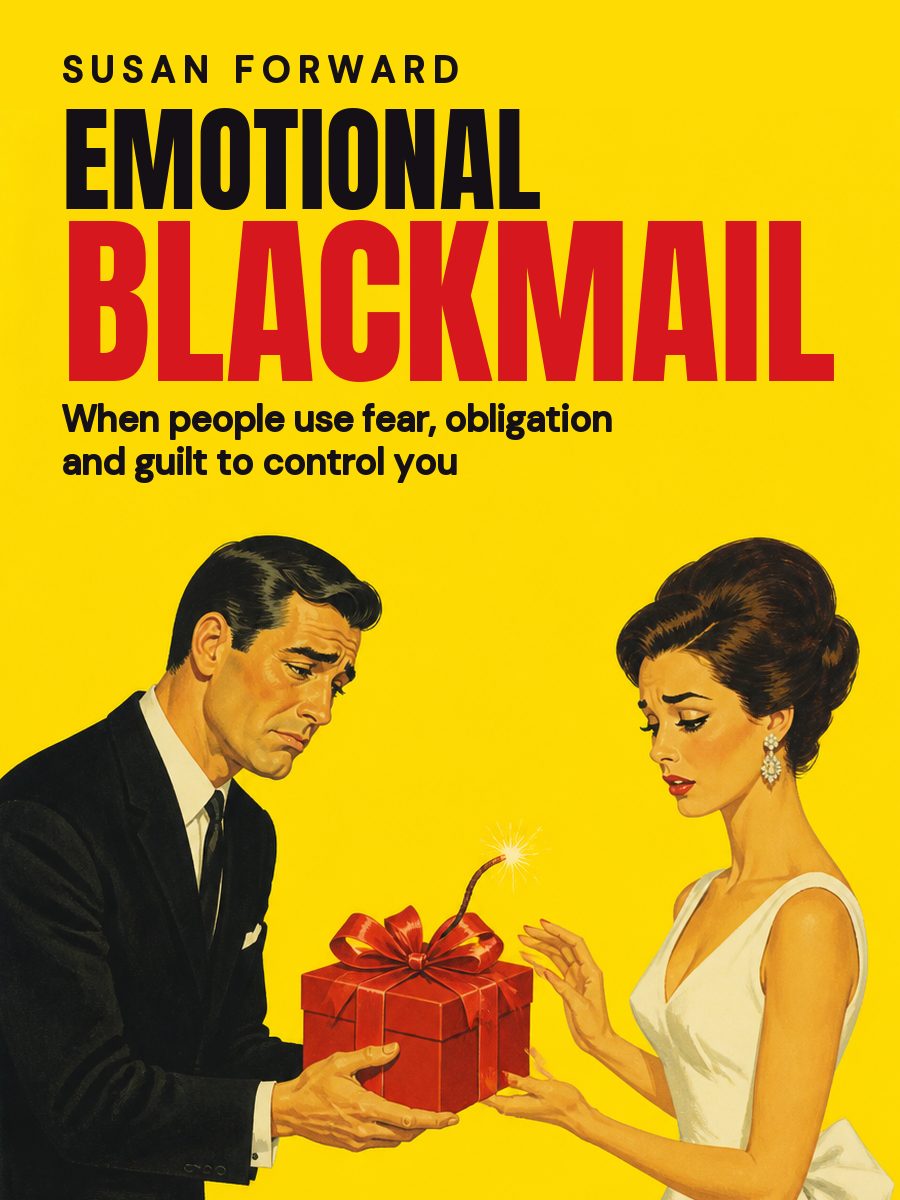 Emotional Blackmail: When the People in Your Life Use Fear, Obligation, and Guilt to Manipulate YouSusan Forward, Donna Frazier
“If you love me…” “After everything I’ve done for you…” Susan Forward shows how people close to us get their way through fear, obligation, and guilt, which she calls FOG. Six steps of blackmail, four styles of pressure, and ways to respond calmly without losing yourself or unnecessarily damaging relationships.
Question 1 of 5
Mom: "Oh well, I'll just sit here alone", and you turn the car around, even though you promised your friends. What does the blackmail press on?
Show the answer
Right answer: Fear, obligation and guilt
Forward calls this FOG: fear, obligation and guilt. A blackmailer rarely presses on logic, and in the fog it's hard to tell what you yourself want.
Question 2 of 5
According to Forward, how do you tell a loved one's ordinary hurt from emotional blackmail?
Show the answer
Right answer: By how your "no" is received
Anyone can sometimes feel hurt or apply pressure. Blackmail is where a refusal isn't heard out but met with attempts to break it, and it keeps happening.
Question 3 of 5
Your boss: "Take on one more project, and we'll talk about a promotion in the fall." In the fall, a new project and a new "we'll talk". Which type is this?
Show the answer
Right answer: A tantalizer
Tantalizers don't threaten, they promise a reward: money, approval, a promotion. But the reward keeps moving away, and behind one condition comes the next.
Question 4 of 5
Someone close to you is pressing and demanding an answer right now. What first step does Forward suggest?
Show the answer
Right answer: Take a pause: "I need time to think"
Pressure relies on haste. A pause opens up the sequence: stop, observe what's wanted from you and what you want, and choose a strategy.
Question 5 of 5
For the third time your sister reproaches you for not coming for the weekend. How do you answer without defensiveness?
Show the answer
Right answer: Briefly: "I understand you're hurt"
Justifications give new grounds for argument. A nondefensive answer is short and calm, without defense or counterattack, and the decision stays with you.
Want all of the book's key ideas? Read or listen to its retelling in Livria.