
Book quiz
Hope and Help for Your Nerves Quiz
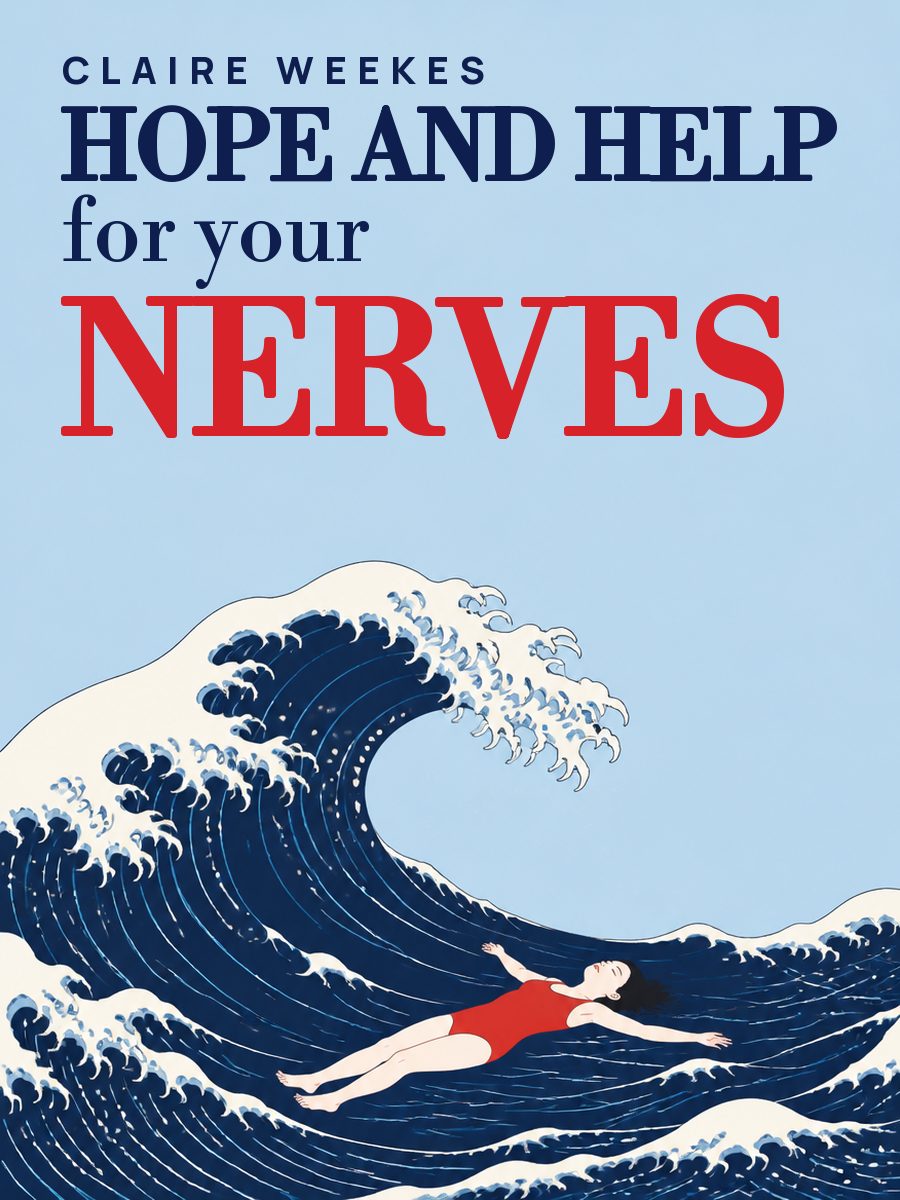 Hope and Help for Your NervesClaire Weekes
A young scientist’s heart raced for years without reason. A phrase from a friend who had served in war helped her: your nerves are simply bluffing you. After becoming a physician, Claire Weekes turned this insight into a four-step method: face, accept, float, and let time pass. A book about why fighting fear…
Question 1 of 5
On a stuffy subway train your pulse speeds up, and right away you think: "What if I get sick right here?" What is this, according to Weekes?
Show the answer
Right answer: Second fear, which you add on top yourself
First fear comes on its own. Second fear is what you add with thoughts like "It's happening again", and in Weekes's model this layer whips up the body and closes the circle.
Question 2 of 5
You grit your teeth and wait for the panic to end. How does Weekes see this kind of "enduring it"?
Show the answer
Right answer: As retreating from panic in panic, which drags it out
Enduring is not the same as facing fear. Facing means calmly looking at what is happening in your body and naming it, instead of running away inside.
Question 3 of 5
You can't fall asleep and get angrier and angrier with yourself. What is closest to the step "accept"?
Show the answer
Right answer: Tell yourself: fine, no sleep, I'll just lie here, and stop fighting
Fighting a symptom is tension too, and a new worry. Acceptance may weaken second fear, leaving first fear with nothing to hold on to.
Question 4 of 5
Your voice shakes in a meeting. What does it mean to "float" in the book's terms?
Show the answer
Right answer: Slow down a little and finish speaking, carrying the fear with you
Floating means moving along with the sensations, not pushing through them with tense muscles. You keep doing the task without a desperate fight.
Question 5 of 5
Things were better for a few weeks, and suddenly an attack comes back as strong as ever. How does Weekes see this?
Show the answer
Right answer: As an expected part of recovery and a chance to practise the skill
If you once got through fear by accepting it, you can do it again. The experience doesn't vanish, even when the sensations return.
Want all of the book's key ideas? Read or listen to its retelling in Livria.