
Book quiz
Man's Search for Meaning Quiz
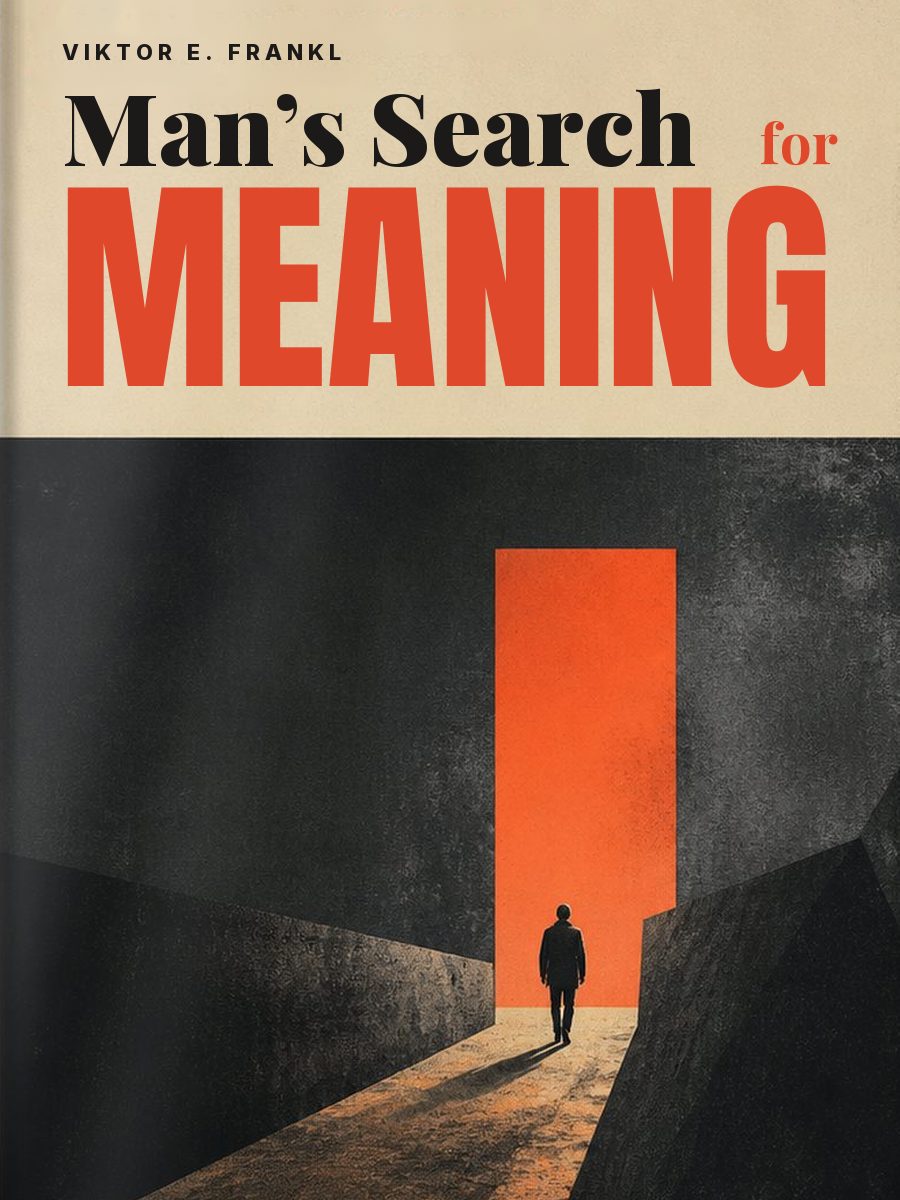 Man's Search for MeaningViktor E. Frankl
Why do some people break at the first serious blow, while others go through the unthinkable and stay themselves? Frankl, who survived the concentration camps, saw it with his own eyes: it wasn't the physically strongest who survived, but those who had a why. He shows that meaning isn't handed to you ready-made. You…
Question 1 of 5
You have everything you dreamed of, but on weekends you don't feel like getting off the couch. How does Frankl explain this?
Show the answer
Right answer: Behind the emptiness is a lack of meaning, not of pleasure
The deepest human need is to understand what you live for. Without meaning, even a comfortable, well-off life feels empty.
Question 2 of 5
Two coworkers were fired unfairly. According to Frankl, what do they still have, no matter what?
Show the answer
Right answer: The right to choose their attitude to what happened
The last of the human freedoms is choosing your own attitude. You don't choose the blow, but you choose who you become after it.
Question 3 of 5
You've downloaded ten "happiness" apps, and you're no happier. What would Frankl say?
Show the answer
Right answer: Happiness comes as a side effect of meaningful work
The harder you chase happiness, the more often it slips away. It comes on its own when you're busy with something bigger than yourself.
Question 4 of 5
A friend is sunk in apathy. How does Frankl suggest helping him find something to hold on to?
Show the answer
Right answer: Ask and listen, so he sees his own meaning
Someone else's meaning, even a wise one, stays external and doesn't hold. A helper's role isn't to name the meaning but to help the person see their own.
Question 5 of 5
You want to ask: "What will life give me?" How does Frankl suggest turning this question around?
Show the answer
Right answer: "What does this situation expect from me right now?"
It's life that asks the questions, through situations and people, and we answer with our actions. That way a person goes from a resentful spectator to the one who answers.
Want all of the book's key ideas? Read or listen to its retelling in Livria.