
Book quiz
The Murdoch Method: Notes on Running a Media Empire Quiz
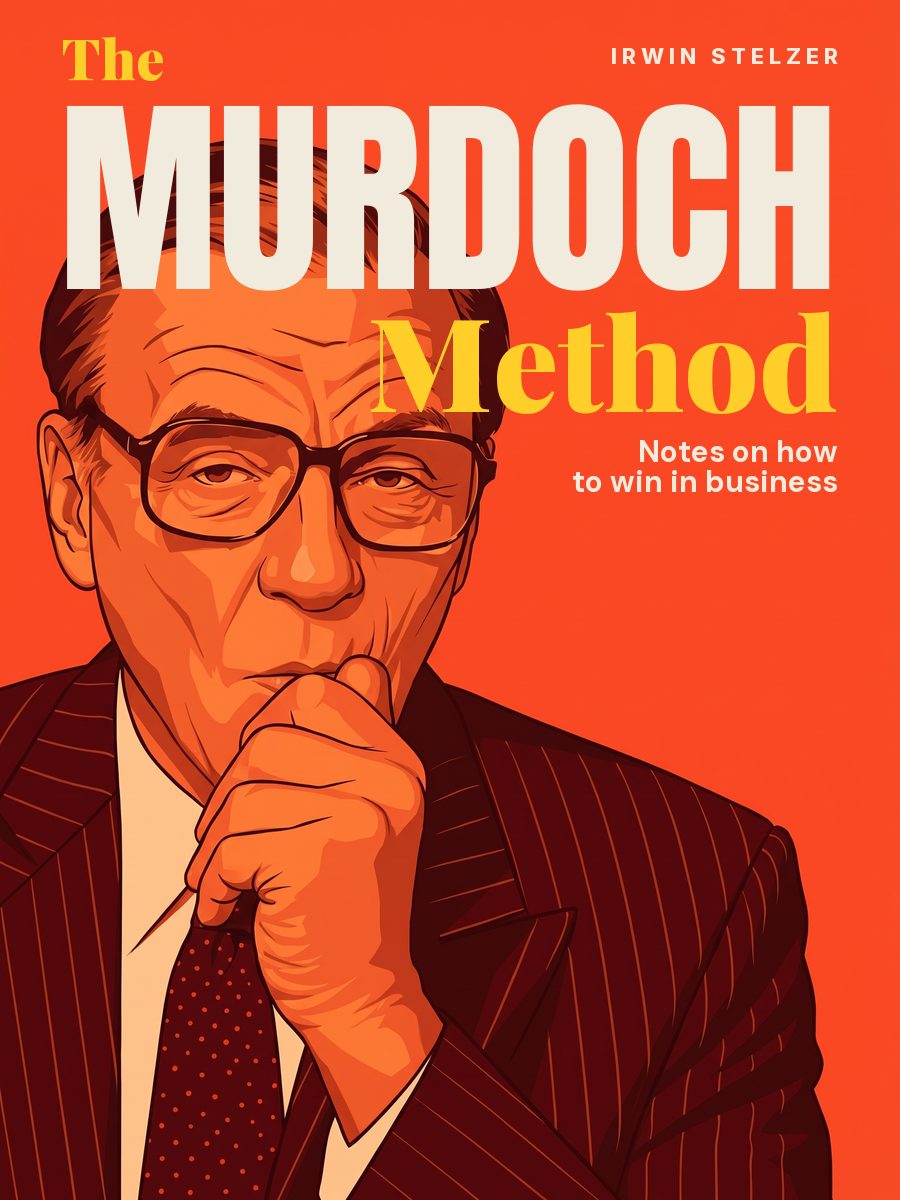 The Murdoch Method: Notes on Running a Media EmpireIrwin Stelzer
In 1952, Rupert Murdoch was a twenty-one-year-old student at Oxford when his father died and left him one newspaper in Adelaide, The News. He went home to Australia and got to work. Sixty years later his companies printed tabloids and papers for the elite, broadcast by satellite, made films and decided which story…
Question 1 of 5
Seen through Murdoch's eyes, what does the book say media really sell?
Show the answer
Right answer: A place in the reader's head
Media decide what a person notices in the morning and which problem they consider urgent. Influence builds through repetition, not through one lucky story.
Question 2 of 5
Why would one owner have both the loud tabloid The Sun and the respectable The Times?
Show the answer
Right answer: To reach different people through different doors
The mass paper brings reach and energy, the prestigious one brings access to the elite and politics. It's a portfolio of ways into society, not a contradiction.
Question 3 of 5
A headline makes you pick a side in a dispute right away. How does the book suggest reading it?
Show the answer
Right answer: Separate the verifiable event from the conflict chosen to frame it
Conflict reduces complexity and holds attention, but clarity isn't accuracy. A strong story can hide missing facts.
Question 4 of 5
A creator makes strong videos but depends entirely on one social network. Where is the weak spot, according to the book?
Show the answer
Right answer: Someone else controls delivery to the viewer
Murdoch took control of delivery itself. Whoever owns only the content can be overlooked: someone else's button stands between the creator and the viewer.
Question 5 of 5
What lesson does the book draw from the 2011 News of the World scandal?
Show the answer
Right answer: A powerful lever needs a red line and a brake
The same engine that amplified the signal also amplifies the cost of a mistake. The book advises writing down a red line, a check and a condition for stopping in advance.
Want all of the book's key ideas? Read or listen to its retelling in Livria.