
Book quiz
Nexus: A Brief History of Information Networks from the Stone Age to AI Quiz
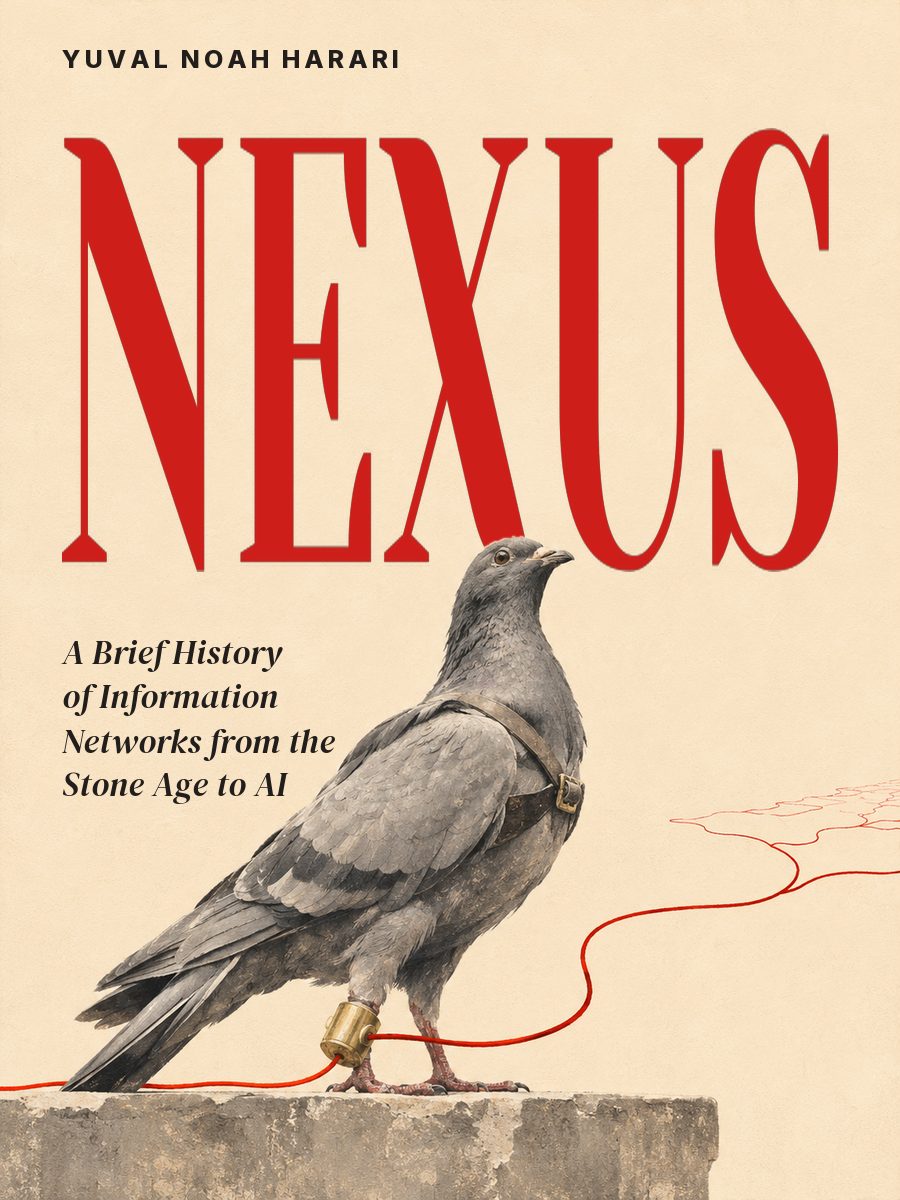 Nexus: A Brief History of Information Networks from the Stone Age to AIYuval Noah Harari
We know more about the world than any generation before us, and yet we are closer to self-destruction than ever. Yuval Noah Harari explains this paradox through the history of information networks: from witch hunts and Stalin's surveillance to Facebook's algorithms. You'll understand why artificial intelligence has…
Question 1 of 5
According to Harari, what is the main job of information?
Show the answer
Right answer: To connect people
Information can represent the truth, but it doesn't have to. The Bible is wrong about the causes of epidemics, yet it united billions of people.
Question 2 of 5
What did the story of Harari's grandfather, who was stripped of his citizenship, show?
Show the answer
Right answer: A document may not describe reality but create it
Bruno had lived in Czernowitz all his life, but without the right paper he stopped being a citizen. Bureaucracy creates reality, it doesn't only describe it.
Question 3 of 5
Why didn't the flood of information about witches lead society to the truth?
Show the answer
Right answer: A horror story sells better than dry facts
The press only copies, and it multiplies fear just as fast. Truth needs someone who selects information by evidence, not by demand.
Question 4 of 5
What does Harari consider the main invention of science?
Show the answer
Right answer: A self-correcting mechanism
Science starts with admitting that everyone makes mistakes. Shechtman was thrown out of his lab, but ten years later the definition of a crystal was changed.
Question 5 of 5
Why did Facebook's algorithm in Myanmar spread hatred?
Show the answer
Right answer: It was given the goal of keeping users engaged
No one wanted a massacre. Testing options on millions of users, the algorithm worked out on its own that outrage keeps people engaged best.
Want all of the book's key ideas? Read or listen to its retelling in Livria.