
Book quiz
Self-Compassion: The Proven Power of Being Kind to Yourself Quiz
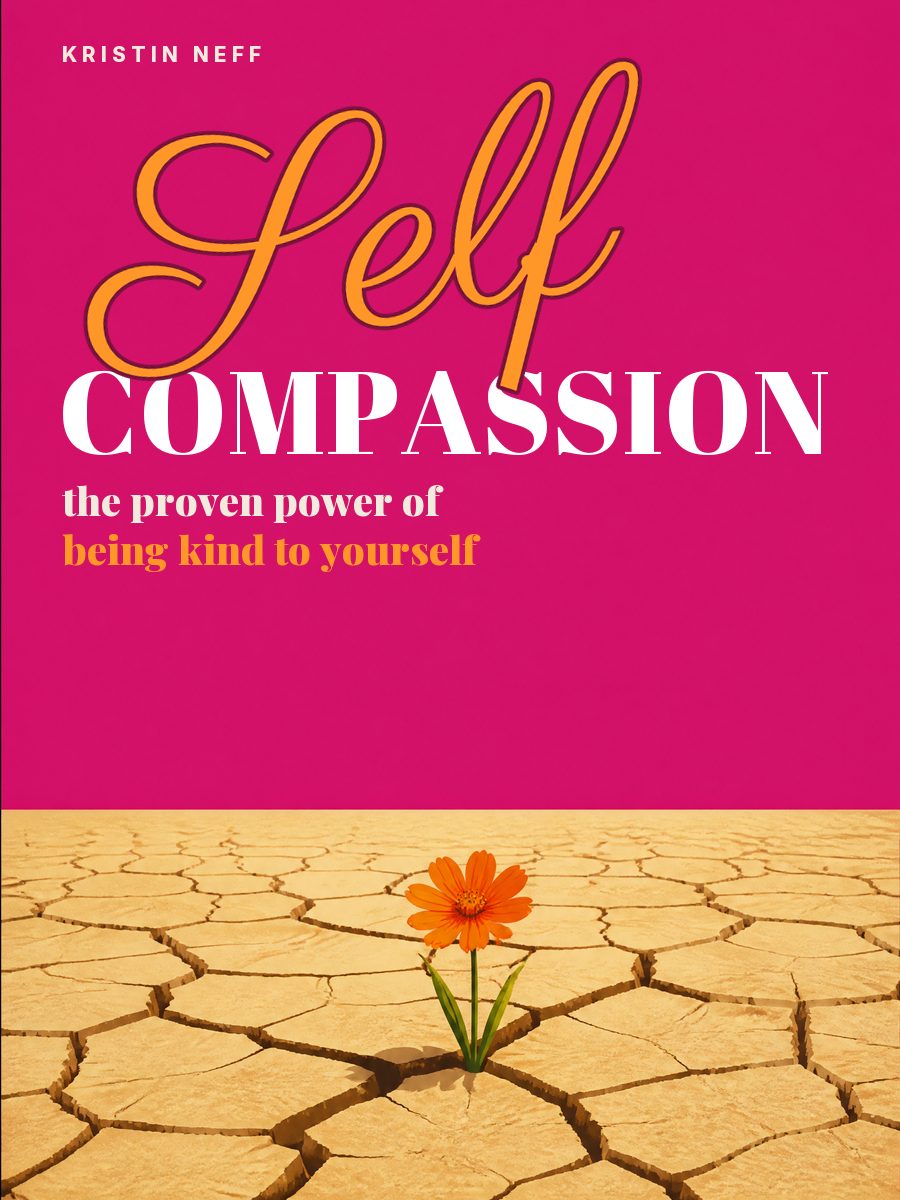 Self-Compassion: The Proven Power of Being Kind to YourselfKristin Neff
Why is it so easy to support a friend and so hard to speak kindly to ourselves? Kristin Neff, one of the first to study self-compassion scientifically, shows that being kind to yourself is not weakness or self-indulgence. It is a steadier foundation than high self-esteem. You will learn what it is made of and how to…
Question 1 of 5
Your presentation flopped, and you feel like beating yourself up half the night. What does Neff suggest?
Show the answer
Right answer: Admit it went badly and ask yourself what you need right now
Self-kindness doesn't cancel the mistake or pretend it didn't happen. It just doesn't add a verdict to the failure, and it looks for what will really help.
Question 2 of 5
It seems you're the only one not coping, while everyone else is fine. What does Neff set against this?
Show the answer
Right answer: The thought that this happens to people: imperfection is something we all share
The second part of self-compassion: common humanity instead of isolation. The thought "this happens to people" doesn't take away the pain, but it takes away the loneliness.
Question 3 of 5
According to Neff, why is self-compassion more reliable than high self-esteem?
Show the answer
Right answer: It needs no wins or comparisons, so it doesn't collapse with failure
Self-esteem, like a fair-weather friend, demands that you be better than others. Self-compassion only needs you to be human, and you can't lose it by losing.
Question 4 of 5
Many people fear: if I stop criticizing myself, I'll stop trying. What does Neff answer?
Show the answer
Right answer: Self-criticism undermines motivation: fear of judgment keeps you from taking risks
Someone who expects a scolding from himself takes on hard things less often, procrastinates more and learns less from mistakes. Self-kindness gives a quiet but steady motivation.
Question 5 of 5
How is self-compassion different from self-pity?
Show the answer
Right answer: It remembers that everyone hurts and sees the pain in proportion
Self-pity drowns in the trouble and puts you at the center of a tragedy. Self-compassion remembers others and thinks of your long-term good, so sometimes it says "no."
Want all of the book's key ideas? Read or listen to its retelling in Livria.