
Book quiz
The Defining Decade: Why Your Twenties Matter and How to Make the Most of Them Now Quiz
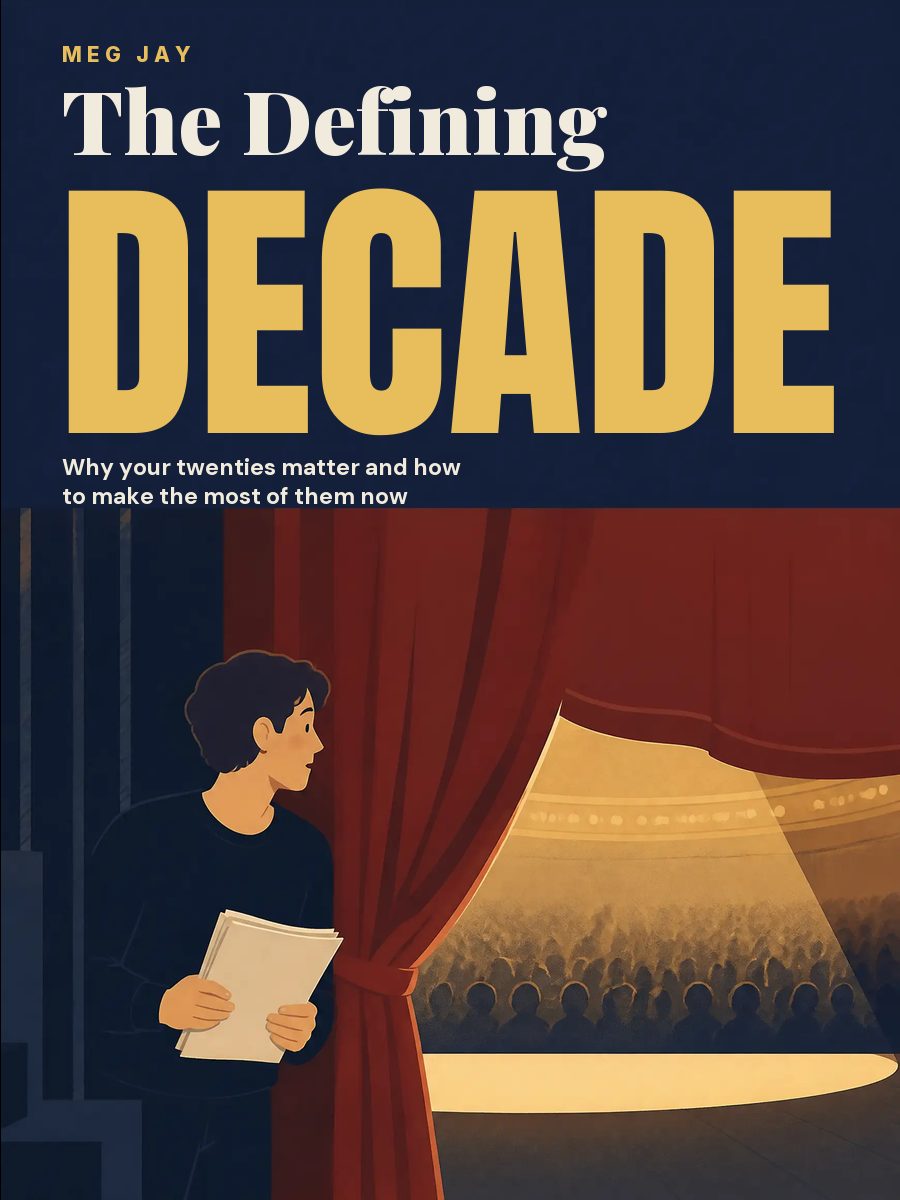 The Defining Decade: Why Your Twenties Matter and How to Make the Most of Them NowMeg Jay
People say thirty is the new twenty and there's no rush. Clinical psychologist Meg Jay spent years listening to people who believed that, and she argues against it. Through her clients' stories and the research, she shows how an adult life is built from small decisions: work, the people around you, the people closest…
Question 1 of 5
You're 27, taking random gigs and waiting for an epiphany about who to be. What does Jay advise?
Show the answer
Right answer: Choose what adds to your identity capital
Jay advises putting the identity crisis aside and building capital: of the options at hand, take the one that adds to it, even if it's only a stepping stone.
Question 2 of 5
According to the book, who most often brings new jobs and new opportunities?
Show the answer
Right answer: Acquaintances, ex-coworkers and friends of friends
Close friends know the same people and hear the same news. New things come through weak ties, a finding of the sociologist Granovetter.
Question 3 of 5
You and your partner are thinking of moving in together. What matters most here, according to Jay?
Show the answer
Right answer: Decide it on purpose and talk through your expectations
The danger isn't living together itself but sliding into it without deciding. Jay advises making a real decision and talking about what each of you expects.
Question 4 of 5
Where does real confidence come from, according to Jay?
Show the answer
Right answer: From having succeeded at something hard
Confidence grows out of mastery experiences: moments you've lived through of succeeding at something that was hard. It comes after the work, not before it.
Question 5 of 5
After a remark from your boss, you feel you're about to be fired. What does the book suggest?
Show the answer
Right answer: See the remark as information about the work, not a verdict
Jay suggests reappraisal: looking at the situation differently. A remark is about the work, and a mistake is still part of learning.
Want all of the book's key ideas? Read or listen to its retelling in Livria.