
Book quiz
The Revolution of Hope: Toward a Humanized Technology Quiz
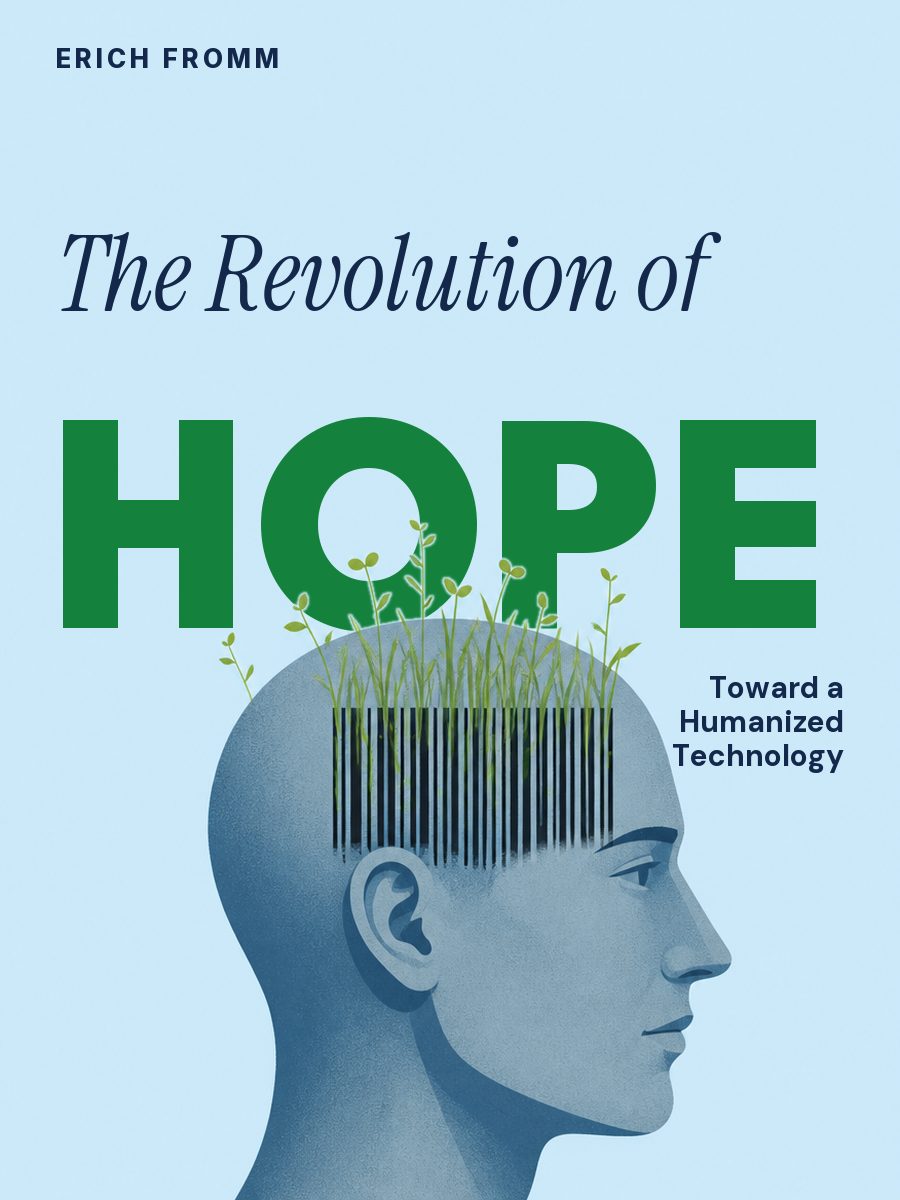 The Revolution of Hope: Toward a Humanized TechnologyErich Fromm
A specter is stalking in our midst, Erich Fromm wrote in 1968, and that specter is a completely mechanized society in which people are well fed, content and passive. The psychoanalyst and philosopher explains how real hope differs from waiting, why constant busyness can be a form of passivity, and how to avoid…
Question 1 of 5
You've long wanted to move to another department, but you're waiting for your boss to suggest it. According to Fromm, who does this resemble?
Show the answer
Right answer: The old man in Kafka
Kafka's old man sat for years by an open door waiting for permission. Fromm sees such hope as hidden powerlessness: a person waits for the "green light" instead of acting.
Question 2 of 5
An acquaintance insists everything is great but hasn't changed anything for years. By what does Fromm judge hope?
Show the answer
Right answer: By actions and a living response
Many people are consciously full of hope but deep down lack it. That's why Fromm looks at actions, face, walk and the ability to respond, not at words.
Question 3 of 5
It's a free evening, but you feel an urge to keep busy with something, anything, rather than sit idle. According to Fromm, what's behind this?
Show the answer
Right answer: Fear of being alone with yourself
Fromm believes constant busyness is often an escape from the anxiety that comes when you're alone with yourself. Such a person always needs a stimulus from outside.
Question 4 of 5
An app picked an apartment by rating, and you're tempted to agree without thinking. What would Fromm remind you?
Show the answer
Right answer: Values are built into the program
Someone selects the facts for the machine, and someone writes the program based on their own values. A computer can show the options, but a person has to decide what matters.
Question 5 of 5
Every time you feel anxious, you go and buy something. How does Fromm explain this habit?
Show the answer
Right answer: Buying muffles the anxiety
In Fromm's view, compulsive consumption drowns out inner emptiness and unease. Just as a smoker risks his health to avoid facing anxiety, buying helps you not notice it.
Want all of the book's key ideas? Read or listen to its retelling in Livria.