
Book quiz
Triggers: Creating Behavior That Lasts, Becoming the Person You Want to Be Quiz
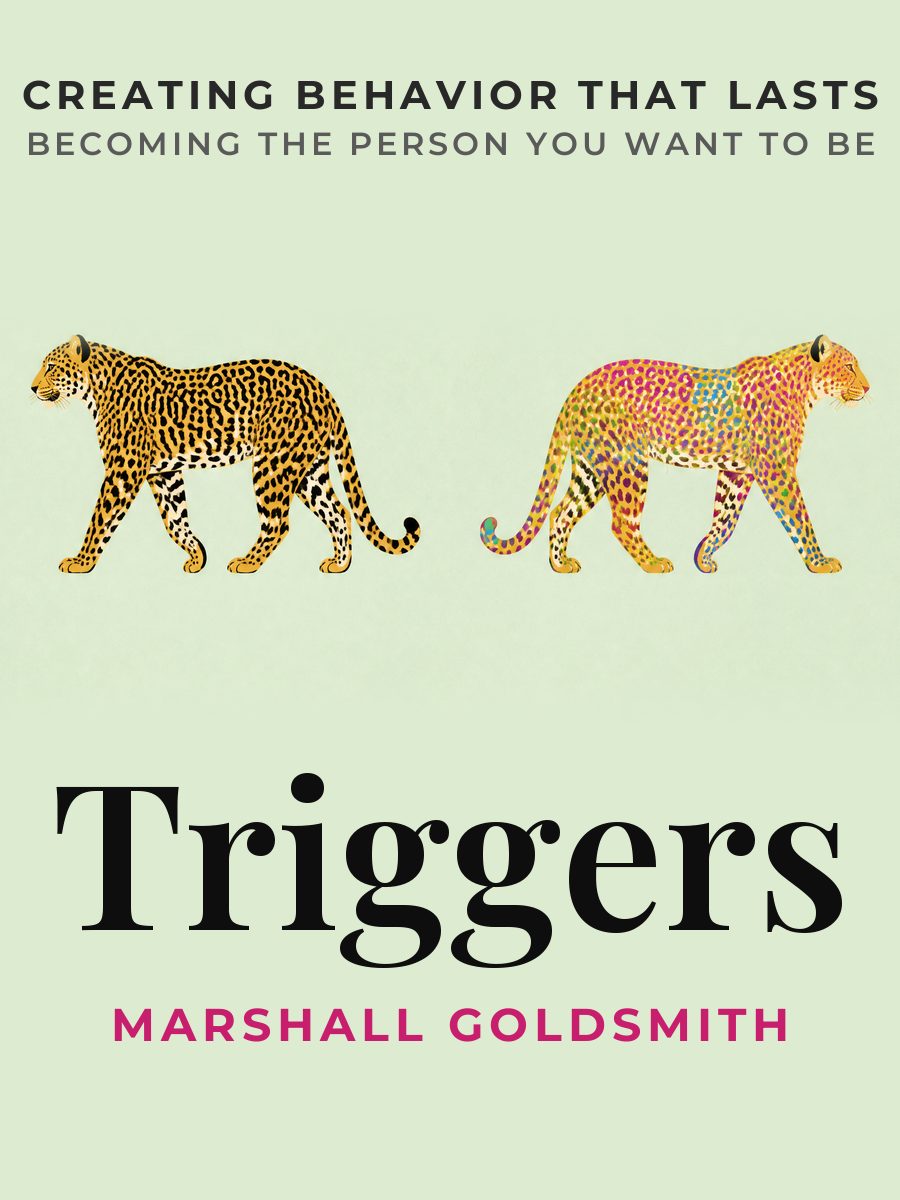 Triggers: Creating Behavior That Lasts, Becoming the Person You Want to BeMarshall Goldsmith, Mark Reiter
Why do we promise ourselves in the morning to keep our cool, then lose it again by evening? Marshall Goldsmith, a coach to leaders of major companies, has an answer: our environment pushes us. People and situations trigger the wrong behavior in us. This book is about noticing those triggers, buying yourself a pause…
Question 1 of 5
You know you should interrupt colleagues less, and you still interrupt them. What does Goldsmith say about this?
Show the answer
Right answer: Understanding doesn't guarantee action
"If I understand what to do, I'll do it" comes first on the list of belief triggers. It sounds like common sense, but it gives you permission not to change.
Question 2 of 5
In the morning you decide not to argue with your teenager, and in the evening you blow up. How does the book explain this?
Show the answer
Right answer: We are superior planners and inferior doers
Two people live inside us: the boss who plans, and the doer who gets knocked off course by the environment in the actual day.
Question 3 of 5
A driver cut you off, and you want to retaliate. What idea does the book connect to the parable of the boat?
Show the answer
Right answer: Usually nobody sets out to ruin your day
There's no one in the other boat: people just act the way they're used to. There's no one left to be angry at.
Question 4 of 5
Why is the active question "Did I do my best to be happy?" better than a passive one?
Show the answer
Right answer: It measures effort, which is always in your hands
A passive question is about what others did. An active one gives you back responsibility: the result depends on many things, but anyone can try.
Question 5 of 5
Why does Goldsmith have someone call him every evening with the same questions?
Show the answer
Right answer: It's harder to cheat yourself out loud
Goldsmith scores himself from 1 to 10, but answering out loud to another person is more honest than answering silently to yourself.
Want all of the book's key ideas? Read or listen to its retelling in Livria.